
How Home Insulation Services Improve Comfort Year-Round
Maintaining indoor comfort in Tennessee can be challenging when inadequate insulation allows heat to enter during summer or escape during winter. According to Just Energy, approximately 90% of homes may be under-insulated. Professional home insulation services can identify areas needing improvement, helping homeowners achieve more consistent temperatures and better energy efficiency throughout the year.
1. Maintaining Comfortable Indoor Temperatures
One of the primary benefits of insulation is its ability to slow heat transfer. During summer, outdoor heat can move into a home through the roof, attic, walls, and other parts of the building envelope. During winter, indoor heat can escape through those same areas. Insulation helps reduce this movement, making it easier to maintain a more consistent indoor environment.
Without sufficient insulation, some rooms may feel noticeably warmer or colder than others. Upper floors can become especially uncomfortable during hot weather because heat accumulates near the roof. In colder months, rooms with poorly insulated exterior walls may feel chilly even when the heating system is running.
Properly selected insulation helps moderate these temperature differences. Rather than allowing outdoor conditions to influence indoor spaces as quickly, an insulated home can maintain temperatures more steadily. This can make bedrooms, living rooms, and frequently used spaces more comfortable throughout the year.
Professional home insulation services can help determine whether existing insulation provides appropriate coverage. An assessment may identify areas where insulation is missing, damaged, compressed, or insufficient for the home's needs. Addressing these concerns can contribute to more balanced indoor temperatures.
2. Improving Summer Comfort in Tennessee Homes
Tennessee summers often bring high temperatures and humidity, making indoor cooling an important part of household comfort. When a home has insufficient insulation, outdoor heat can enter through the building envelope and increase the workload placed on the air conditioning system.
Attics are particularly important because they can become significantly hotter than outdoor air when exposed to prolonged sunlight. Without adequate insulation, some of this heat can transfer into the living areas below. As a result, upper-level rooms may remain uncomfortable even when the air conditioner is operating.
Insulation helps slow this heat movement, allowing the cooling system to maintain indoor temperatures more effectively. The benefits may be especially noticeable in homes with finished attic spaces, second-story bedrooms, or large roof areas exposed to direct sunlight.
However, insulation is only one part of summer comfort. Air sealing, ventilation, moisture management, and appropriate HVAC operation also influence indoor conditions. These building components work together, so evaluating the overall structure can provide a clearer picture of where improvements may be beneficial.
For Tennessee homeowners, home insulation services can help identify areas that contribute to unwanted heat gain. Professional installation can improve insulation coverage and support a more comfortable indoor environment during extended periods of warm weather.
3. Reducing Winter Heat Loss
Although Tennessee winters are generally milder than those in some northern states, cold temperatures and seasonal weather changes can still affect household comfort. When insulation is inadequate, indoor heat can escape through attics, walls, floors, and other parts of the home.
Heat naturally moves toward cooler areas. During winter, this means warmth generated by a heating system can gradually transfer outdoors through poorly insulated sections of the building envelope. The result may be colder rooms, noticeable temperature fluctuations, and increased demand on heating equipment.
Insulation slows this process by creating resistance to heat flow. With appropriate coverage, a home can retain indoor warmth more effectively, helping rooms remain comfortable when outdoor temperatures fall. This can be particularly valuable during cold snaps, when heating systems may operate more frequently.
Attic insulation helps limit heat loss as warm air rises, but wall and floor insulation also affect a home's overall performance. Professional home insulation services can identify areas needing attention before winter, allowing homeowners to address insulation concerns early and maintain more comfortable indoor temperatures during colder weather.
4. Supporting Heating and Cooling Efficiency
Heating and cooling systems are designed to regulate indoor temperatures, but their performance is influenced by the building itself. When a home has insufficient insulation, conditioned air may lose its intended temperature more quickly as heat moves through the walls, ceilings, and floors.
This can increase the amount of work required from HVAC equipment. During summer, an air conditioner may need to run longer to offset incoming heat. During winter, a heating system may operate more frequently to replace warmth escaping through inadequately insulated areas.
Improving insulation can help reduce these demands by slowing heat transfer. Although actual energy savings depend on factors such as the home's size, existing insulation, air leakage, HVAC efficiency, and household habits, better insulation can contribute to more efficient temperature regulation.
Insulation does not replace HVAC maintenance or address every source of energy loss. Air leaks, poorly sealed windows, and duct problems can also affect efficiency. A professional evaluation can identify needed improvements. Combining home insulation services with proper maintenance may support consistent indoor comfort and reduce strain on heating and cooling systems.
5. Managing Moisture and Indoor Air Quality
Insulation also plays a role in how heat and moisture interact within a home. In humid regions such as Tennessee, moisture management is an important consideration throughout the year. Temperature differences between indoor and outdoor surfaces can contribute to condensation under certain conditions, particularly when air leakage and inadequate ventilation are present.
Moisture that accumulates within building materials can contribute to deterioration and create conditions that support mold growth. However, insulation alone does not prevent every moisture problem. Proper air sealing, ventilation, drainage, and moisture control are also necessary to help protect the building.
Insulation type and placement affect moisture management, making proper evaluation essential. Professional home insulation services can help identify whether insulation improvements, air sealing, or ventilation adjustments are needed. Addressing these factors supports a healthier building envelope, protects home materials, and helps maintain a comfortable indoor environment.
6. Improving Comfort Between Different Rooms
Temperature differences between rooms can make it difficult to enjoy a home consistently. A bedroom may feel warmer than the living room, or a room above a garage may remain cooler during winter. These differences can result from several factors, including insulation gaps, air leakage, window performance, sun exposure, and HVAC distribution.
Adequate insulation helps limit heat transfer through walls, ceilings, and floors, supporting more consistent indoor temperatures. However, airflow, duct placement, and room design also affect comfort. Professional home insulation services can help identify insulation gaps and determine whether improvements may create a more balanced indoor environment year-round.
7. Choosing the Right Insulation for Your Home
Different homes have different insulation requirements. Construction type, existing materials, accessibility, moisture conditions, and the location of the area being insulated all influence product selection. Homeowners should consider these details rather than assuming that one insulation material is suitable for every application.
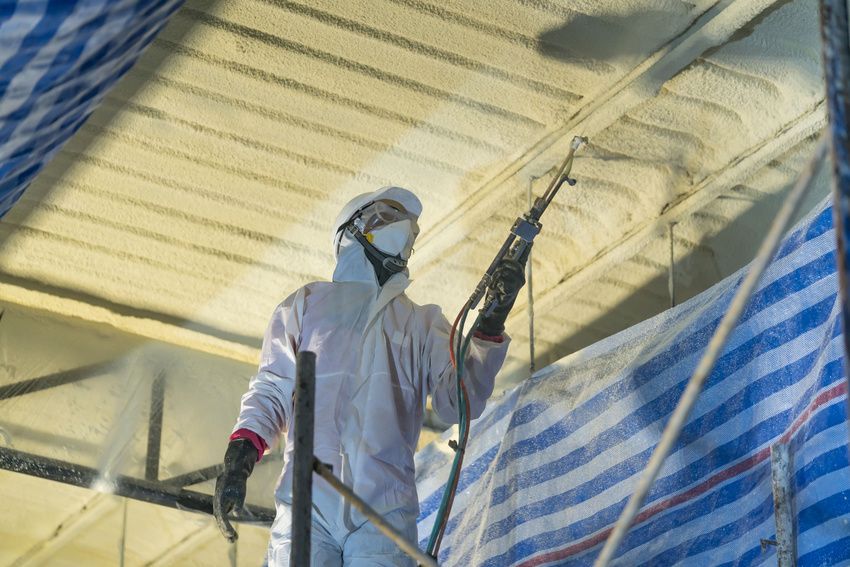
Spray foam insulation is one option for certain residential applications. It expands during installation and can help create an air barrier when properly applied. Depending on the product, it may be used in areas such as attics, crawl spaces, and wall cavities. Its performance characteristics make it important to select the appropriate formulation and installation approach for each project.
Other insulation materials may also be suitable depending on the structure and project goals. A professional evaluation can help determine which option aligns with the home's design, existing insulation, and comfort concerns.
Professional home insulation services help Tennessee homeowners assess attics, walls, and crawl spaces to improve energy efficiency, maintain consistent indoor temperatures, and support year-round comfort.
For homeowners looking to improve indoor comfort, RetroFoam of East Tennessee provides insulation solutions for properties throughout the region. Contact the team today to discuss your home's insulation needs and request an estimate for a more comfortable living environment year-round.


Share On: